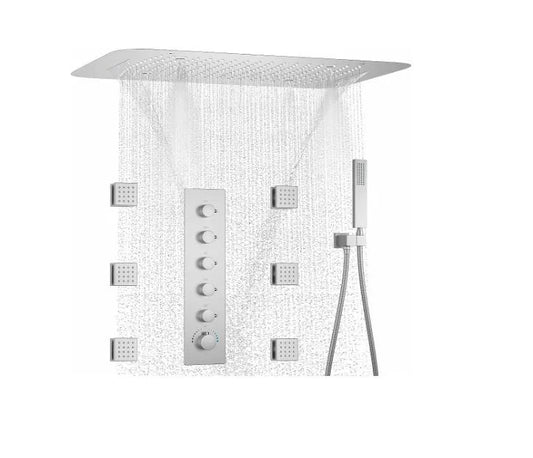
Collection: Showers
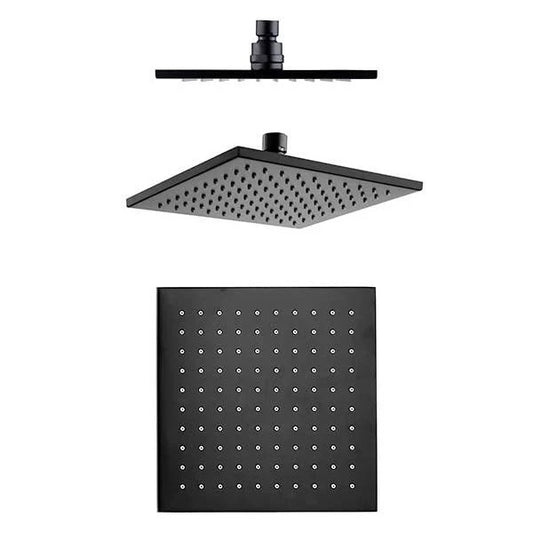
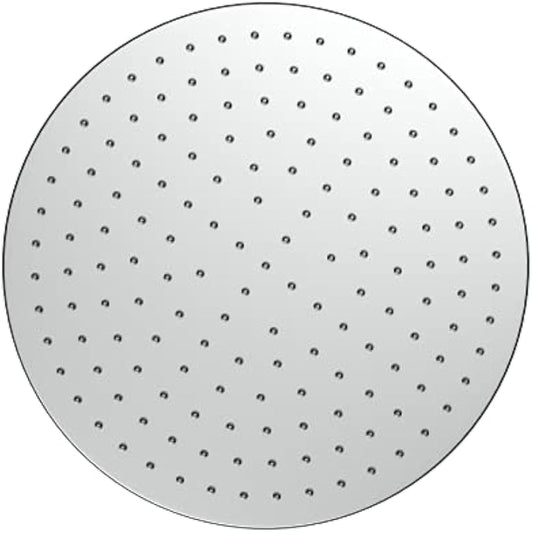
This is the parts range: the overhead head, the arm that carries it and the hand shower, sold separately so a shower can be built or repaired piece by piece rather than replaced as a set. Overhead rain showers are ultra-slim SS 304 stainless steel, square from 6 x 6 inch up to a very large 24 x 24 inch, and round from 6 x 6 to 12 x 12 inch, in chrome, gold, rose gold and matte black. Shower arms come in round, square and rectangular profiles at 9, 12, 15 and 18 inch, in the same finishes. Hand showers are ABS with a universal fitting, in matte black, gold and rose gold. There is also a four-function overhead delivering rain, mist, bubble and waterfall modes. Arms and slim heads start around ₹560; coloured overheads sit around ₹1,500, with multi-function heads considerably above that.
How to choose a shower head and arm
- Size the head to your pressure, not your bathroom. This is the mistake to avoid. A 6 x 6 or 8 x 8 inch head gives a strong stream on an overhead tank supply with no pump. A 12 x 12 inch or larger head spreads the same flow over four times the area and feels like rain on a good pump and like drizzle without one.
- Choose the arm length by how far you need to reach. A 9 inch arm keeps the head close to the wall, which suits a small enclosure. 12, 15 and 18 inch arms bring the water out over the standing position, which is what you want with a larger head.
- Match the profile. A square head reads correctly on a square or rectangular arm, a round head on a round arm. Mixing them is the most common reason a shower looks unplanned.
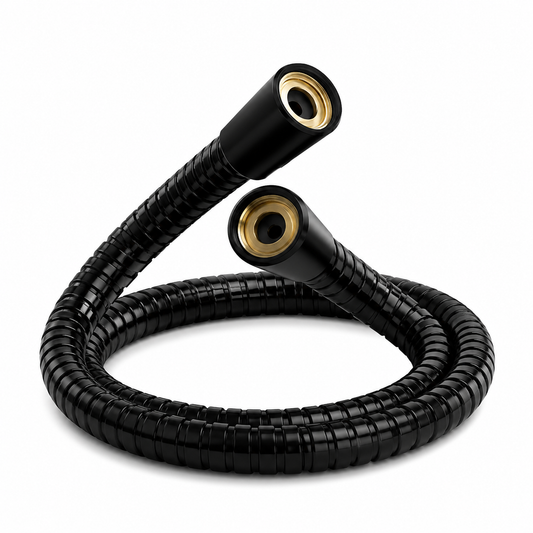
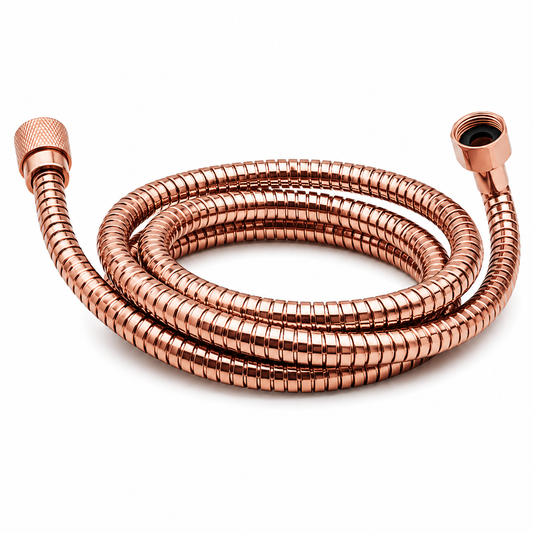
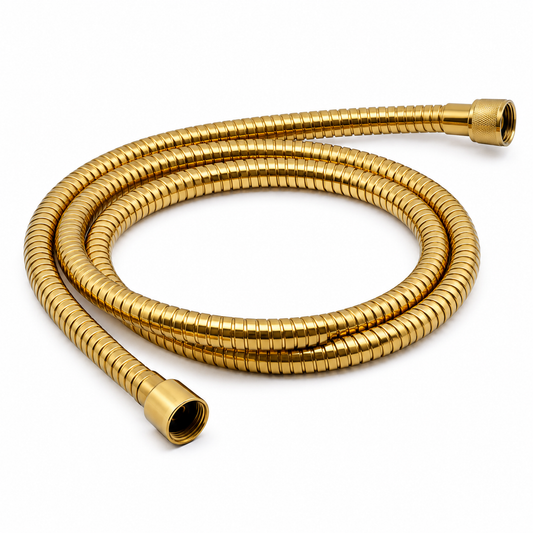
- Hand shower for Indian use. A hand shower on a flexible hose is what actually rinses the enclosure, washes hair and fills a bucket. Universal fittings mean it connects to standard hose and wall outlets.
- Keep the finish consistent. Head, arm, hand shower and diverter should share one finish. It is easier to buy them together than to match a gold arm to a gold head from a different batch.
SS 304, ABS and hard water
SS 304 is used for the heads and arms because it holds up against constant wet and humid air, which is what corrodes lesser steel in a coastal or monsoon-damp bathroom. ABS is used for hand showers because it is light in the hand and does not get cold, and because the nozzles can be made in a flexible material. That flexibility is directly useful in hard water: silicone or rubber nozzles let you rub scale off with a thumb, restoring the spray pattern without tools. On a stainless steel rain head, unscrewing the face plate and soaking it in diluted vinegar every few months is the equivalent. A shower that has gradually lost its spread is almost always blocked rather than worn out.
Common questions
What size rain shower should I buy? On an overhead tank without a pressure pump, stay at 6 x 6 or 8 x 8 inch. Go to 12 x 12 inch and beyond only if you have a pressure pump or mains pressure.
What length shower arm do I need? Enough to bring the head over where you stand. 9 inch for a compact enclosure, 12 to 18 inch for a larger head or a wider shower area.
Why has my shower lost pressure? Usually limescale in the nozzles. Rub the flexible nozzles clean or soak the face plate in diluted vinegar before assuming the head has failed.

-
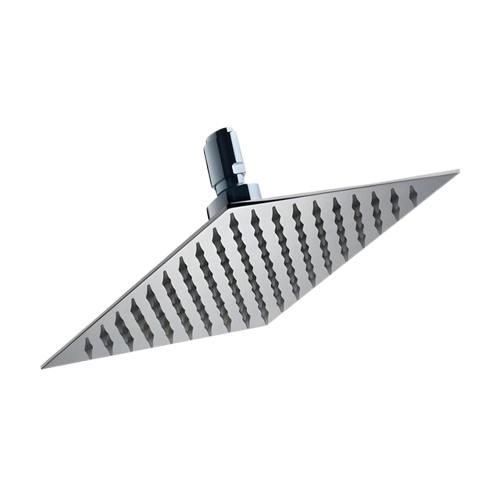
Rain Shower Head Ultra Slim Square – SS 304, 6x6 to 24x24 Inch | OHS01008
Regular price From Rs. 630.00Regular price From Rs. 630.00 Sale priceUnit price perRs. 900.0030% -
Shower Arm Rectangle – Stainless Steel Chrome, 9, 12 & 18 Inch | SAR01003
Regular price From Rs. 623.00Regular price From Rs. 623.00 Sale priceUnit price perRs. 890.0030% -
Shower Arm Round – Stainless Steel Chrome, 9, 12 & 18 Inch | SAR01002
Regular price From Rs. 560.00Regular price From Rs. 560.00 Sale priceUnit price perRs. 800.0030% -
Hand Shower ABS – Matte Black, Universal Fitting | HS01014
Regular price Rs. 1,400.00Regular price Rs. 1,400.00 Sale priceUnit price perRs. 2,000.0030% -
Shower Arm – Stainless Steel Gold, 12, 15 & 18 Inch | SAR01010
Regular price From Rs. 1,225.00Regular price From Rs. 1,225.00 Sale priceUnit price perRs. 1,750.0030% -
Shower Arm – Stainless Steel Rose Gold, 12, 15 & 18 Inch | SAR01007
Regular price From Rs. 1,225.00Regular price From Rs. 1,225.00 Sale priceUnit price perRs. 1,750.0030% -
Shower Arm – Stainless Steel Matte Black, 12, 15 & 18 Inch | SAR01004
Regular price From Rs. 1,225.00Regular price From Rs. 1,225.00 Sale priceUnit price perRs. 1,750.0030% -
Shower Arm Square – Stainless Steel Chrome, 9, 12 & 18 Inch | SAR01001
Regular price From Rs. 591.00Regular price From Rs. 591.00 Sale priceUnit price perRs. 845.0030% -
Overhead Rain Shower Square – Stainless Steel Gold, 6x6 to 12x12 Inch | OHS01011
Regular price From Rs. 1,540.00Regular price From Rs. 1,540.00 Sale priceUnit price perRs. 2,200.0030% -
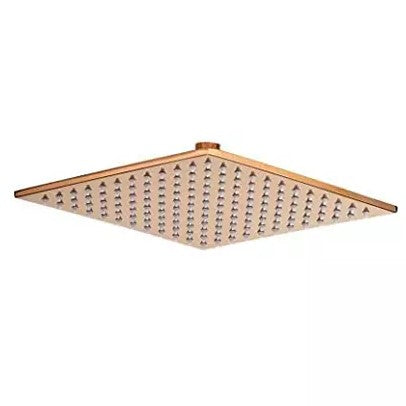
Overhead Rain Shower Square – Stainless Steel Rose Gold, 6x6 to 12x12 Inch | OHS01010
Regular price From Rs. 1,540.00Regular price From Rs. 1,540.00 Sale priceUnit price perRs. 2,200.0030% -
Overhead Rain Shower Square – Stainless Steel Matte Black, 6x6 to 12x12 Inch | OHS01012
Regular price From Rs. 1,540.00Regular price From Rs. 1,540.00 Sale priceUnit price perRs. 2,200.0030% -
Hand Shower ABS – Rose Gold, Universal Fitting | HS01016
Regular price Rs. 1,400.00Regular price Rs. 1,400.00 Sale priceUnit price perRs. 2,000.0030% -
Hand Shower ABS – Gold, Universal Fitting | HS01015
Regular price Rs. 1,400.00Regular price Rs. 1,400.00 Sale priceUnit price perRs. 2,000.0030% -
Rain Shower Head Ultra Slim Round – SS 304, 6x6 to 12x12 Inch | OHS01029
Regular price From Rs. 630.00Regular price From Rs. 630.00 Sale priceUnit price perRs. 900.0030% -
Overhead Shower 4 Function – Rain, Mist, Bubble & Waterfall, SS 304 Chrome | JLS01001
Regular price Rs. 105,000.00Regular price Rs. 105,000.00 Sale priceUnit price perRs. 110,000.004%