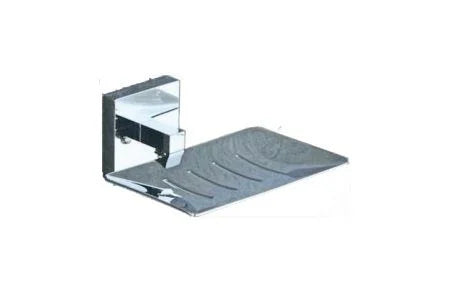
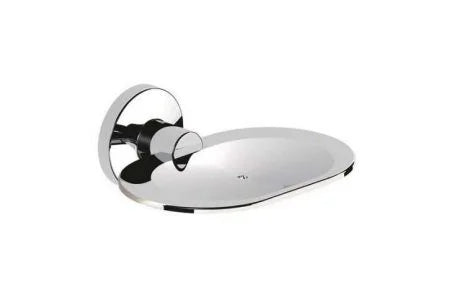
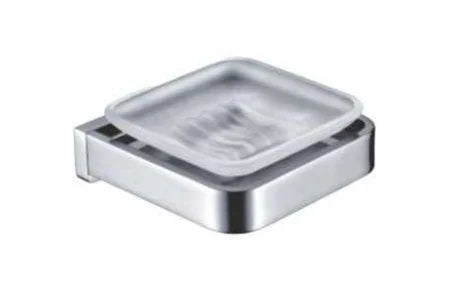
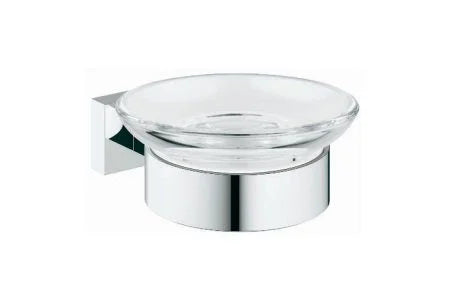
Collection: Soap Holder
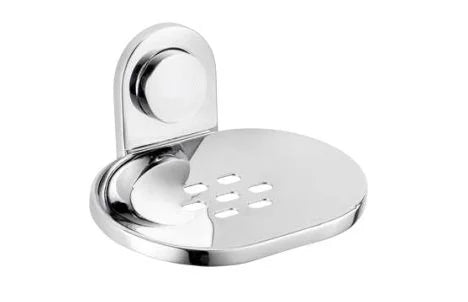
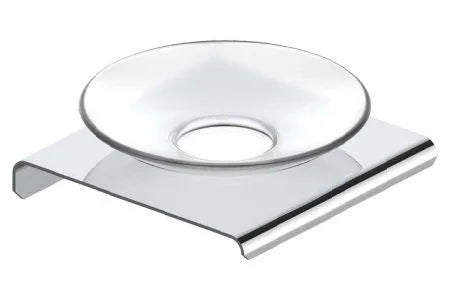
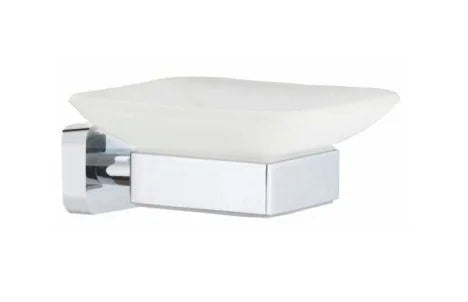
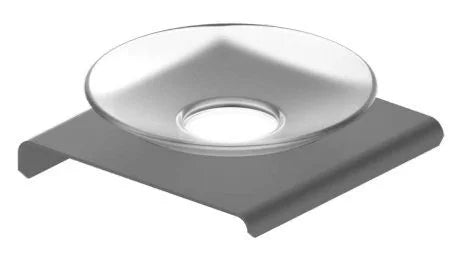
A soap holder, or soap dish, is the wall-mounted dish that keeps a bar of soap off the basin rim and lets it drain rather than sit in a puddle. That drainage is the whole point: soap left standing in water turns soft, wastes quickly and leaves a film on whatever it is sitting on. This range runs from stainless steel dishes at around ₹370 through chrome-plated metal and solid brass up to a wall-mounted brass dish in green and gold at around ₹2,499, in glossy chrome, matt black and the green and gold finish used across a wider decorative accessory group.
How to choose a soap holder
- Match the material to the room. Stainless steel is the safe choice for a family bathroom and for coastal humidity, because it does not rust even where the surface gets knocked. Solid brass is heavier and takes a deeper plating, which suits a bathroom where the other fittings are also brass.
- Position decides the size. A dish beside the basin only needs to hold a hand-soap bar. A dish in the shower area takes a larger bathing bar and gets far more water thrown at it, so drainage matters more there.
- Match the rest of the accessory set. A soap holder is rarely bought alone. If you are also fitting a tumbler holder, robe hook, towel ring and paper holder, buying them in one finish from one series avoids the mismatched look that comes from sourcing them separately over time.
- Finish against your water. Glossy chrome shows hard-water spotting quickly but wipes clean. Matt black hides scale marks better. Green and gold is decorative rather than utilitarian and suits a guest bathroom or powder room more than a daily family shower.
- Budget bands. Around ₹370 to ₹400 buys a stainless steel dish. Around ₹850 to ₹1,200 buys chrome-plated metal or brass. Above ₹2,000 you are buying a decorative finish rather than more function.
Fitting and keeping it clean
Most soap dishes here are wall mounted, which means drilling into tile. Fix into the tile body rather than the grout line, and site the dish where the drips fall into the basin or the shower tray rather than onto the floor, where they make a slip hazard and a scum mark.
The maintenance issue is soap scum rather than corrosion. Soap residue combined with hard water leaves a chalky film that dulls chrome and collects in the drainage slots. Lifting the bar out and rinsing the dish once a week prevents it from ever building up. Avoid acidic descalers and abrasive pads, which strip plating and leave matt black looking patchy.
Common questions
Should I buy a soap holder or a soap dispenser? A soap holder is for a bar; a dispenser is for liquid. Many Indian bathrooms use both: a dispenser at the basin for hand wash and a bar dish in the shower area. If you are choosing one, a dispenser is more hygienic for shared hand washing and a dish is cheaper and simpler for bathing soap.
Will a stainless steel soap dish rust? Stainless steel does not rust from water contact alone, which is why it is the sensible choice in a bathroom that stays damp or in a coastal home. What does mark it is soap scum and mineral deposit, and both rinse off.
Does it matter that the soap dish drains? It matters a great deal for how long a bar lasts. A bar sitting in trapped water softens through and can be half wasted before it is used. A dish with open drainage or a sloped base lets the water run away and the bar dry between uses.

-
Soap Dish Holder – Stainless Steel, Chrome Finish | NYB1003
Regular price Rs. 380.00Regular price Rs. 380.00 Sale priceUnit price perRs. 470.0019% -
Soap Dish Holder – Stainless Steel, Chrome Finish | ALB1003
Regular price Rs. 370.00Regular price Rs. 370.00 Sale priceUnit price perRs. 463.0020% -
Soap Dish Holder – Brass, Chrome Finish | EDB1003
Regular price Rs. 1,140.00Regular price Rs. 1,140.00 Sale priceUnit price perRs. 1,420.0019% -
Soap Dish Holder – Stainless Steel, Matt Black Finish | DIB1003
Regular price Rs. 380.00Regular price Rs. 380.00 Sale priceUnit price perRs. 475.0020% -
Soap Holder for Bathroom – Wall-Mounted Brass, Green and Gold | JIBA012
Regular price Rs. 2,499.00Regular price Rs. 2,499.00 Sale priceUnit price perRs. 3,499.0028% -
Soap Dish Holder – Metal, Chrome Finish | FOB1003M
Regular price Rs. 850.00Regular price Rs. 850.00 Sale priceUnit price perRs. 1,060.0019% -
Soap Dish Holder – Metal, Chrome Finish | ELB1003M
Regular price Rs. 850.00Regular price Rs. 850.00 Sale priceUnit price perRs. 1,060.0019% -
Soap Dish Holder – Brass, Chrome Finish | DUB1003
Regular price Rs. 2,250.00Regular price Rs. 2,250.00 Sale priceUnit price perRs. 2,810.0019% -
Soap Dish Holder – Brass, Chrome Finish | LEB1003
Regular price Rs. 950.00Regular price Rs. 950.00 Sale priceUnit price perRs. 1,190.0020%